

Behind the scenes — how UC coordinates 35,000+ vetted operators in 2026 (2026)
A wedding planner in Asheville calls Tuesday morning needing two 56-passenger charter buses for a Saturday rehearsal shuttle, plus a 14-passenger sprinter for the bachelor party that same weekend. Three vehicles, three pickup times, two ci...
Behind the scenes — how UC coordinates 35,000+ vetted operators in 2026
A wedding planner in Asheville calls Tuesday morning needing two 56-passenger charter buses for a Saturday rehearsal shuttle, plus a 14-passenger sprinter for the bachelor party that same weekend. Three vehicles, three pickup times, two cities. By Tuesday afternoon, she has quotes from local operators within 25 miles of each pickup point — not from a giant fleet 180 miles away that's going to add deadhead miles to the bill.
That's the part most customers never see: the routing logic, the operator network, the dispatch pipeline that turns "I need a bus" into "your driver's name is Marcus, here's his cell." With 35,000+ vetted operator partners across 50 states and every secondary market in between, the routing has to be fast, accurate, and quiet. Here's how it actually works in 2026 — and what changed this year to make it work better.
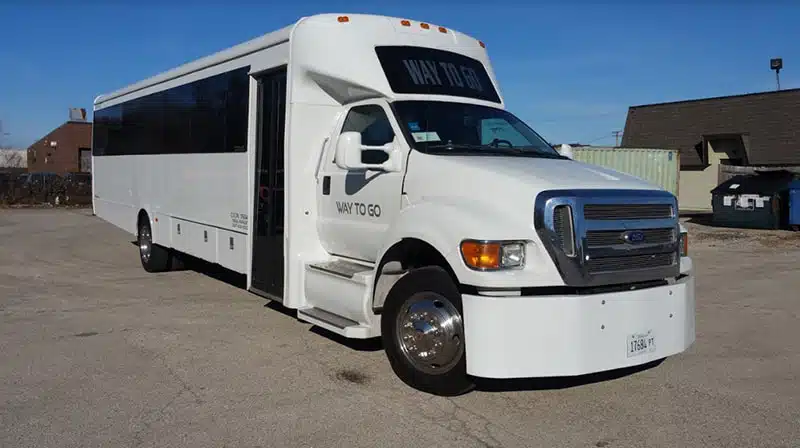
The challenge: covering every city, not just the major metros
The US ground-transportation market is one of the most geographically wide service categories there is — your event might be in downtown Atlanta or it might be in Spokane, Bozeman, Asheville, or a casino on a county line in the middle of a state. Solving that nationwide footprint is the whole game. Big metros are easy; the hard part is being just as fast and just as available in markets where most national companies simply aren't present.
UC delivers in all of those markets. Our own fleet handles core volume; on top of that, a vetted partner network of 35,000+ operators across all 50 states gives us local equipment and local drivers in every secondary market — so a trip out of Bozeman gets a vehicle from Bozeman, not a deadhead haul from a regional megafleet 200 miles away.
The dispatch pipeline: where your quote actually lives
When a quote request comes in — let's say a 40-passenger party bus in Nashville for a bachelorette weekend — it doesn't land in someone's inbox to be triaged later. It enters a four-stage pipeline that the dispatch team can see at a glance:
When a partner is the right match for a given trip, the lead is routed through whichever of our two systems fits best. Pricing is locked in via the partner portal at unlimitedcharters.com/vendor-info; the customer reviews; the lead moves to Agreement Out.
- Needs Quote — the lead has been routed to matching operators, awaiting their pricing
- Quoted — one or more vendors have submitted numbers
- Agreement Out — customer picked an operator, contract is being signed
- Signed — confirmed job, driver assigned, day-of details locked
Color-coded, with an inline key on every dashboard, so nothing sits stale. If a request has been in "Needs Quote" too long, it's visually obvious. If an agreement's been out 36 hours without a signature, that's flagged. The point is no dropped balls — every lead has a status, and every status has someone watching it.
How we move that fast under the hood
The thing that lets a 35,000-partner network feel like a single, fast service is the engine that sits between the customer-facing site and the dispatch dashboard. We won't go deep on the secret sauce, but here's what's measurably different in 2026:
- Instant estimated quote. Submit the trip details and your estimated price comes back immediately — no human in the loop, no "we'll get back to you in a few days." This year we built a pricing engine that draws on years of historical market data across our network to produce an accurate ballpark the moment you hit submit.
- Formal quote in 30 minutes to 24 hours. Once you confirm you want to move forward, we lock in availability and pricing on a real vehicle. Most formal quotes land within an hour; the rest within 24. We're actively shortening that window further every month.
- Auto-routed partner leads in minutes. When a trip needs a partner unit, the request lands in their inbox / SMS / portal within seconds and the typical turnaround is anywhere from a few minutes to a few hours — depending on how quickly the partner answers. Faster partners get more leads; the system rewards responsiveness.
- Geofenced routing in real time. Every quote request is matched against partner service areas using live geocoding. The right local units are paged within seconds of the form submit — not "next business day."
- Itinerary-aware re-quoting. If a customer changes a pickup time or adds a stop, every active quote on that lead is re-issued automatically, with a "keep my quote" one-tap option for whoever's pricing still works. No manual chasing — fresh numbers, every time.
- Capacity-aware availability. Quotes go out against a live calendar that knows what's pending, what's out for signature, and what's confirmed for that day, so the system stops conflicts before the customer ever sees them.
What that means for you as a customer: enter your trip, see an estimated price the moment you submit, get a finalized quote on a real vehicle in hours instead of days, and book directly from the quote — without a four-day phone-tag saga or having to re-type your itinerary every time something changes.
Two routing systems, one network
Not every operator on the network is fully digital, and not every trip fits a self-serve marketplace flow. So we run two parallel routing systems — both feeding the same dispatch pipeline, both backed by the same 35,000+ operators, but optimized for very different use cases.
1) Manual quote requests — for traditional / non-automated vendors
A lot of partner operators run their dispatch from a phone, a truck, and a yard — not from a desktop. So we don't force the digital flow on them; manual stays a first-class path:
- A UC rep reviews the lead and hand-picks which operators to invite based on geography, vehicle type, and historical fit
- The operator gets a quote request via email or SMS with a single-tap link — no portal login required
- They can submit their price, decline, or counter from a phone in under 60 seconds
- Best for: complex multi-day trips, multi-vehicle bookings, anything that needs sales judgment, or operators who simply prefer human-curated leads
2) Automated marketplace — for vendors who self-list
For operators who want a hands-off pipeline of leads, the automated system does the routing in seconds and skips the human triage step entirely:
- The vendor lists their vehicles in the vendor portal, sets the service radius they cover, and picks a tier ($39/mo Active Listing or $59/mo Promotional per vehicle)
- When a customer picks that specific vehicle on the marketplace, the system auto-routes the quote request to the owner within seconds — no rep involved
- The vendor confirms availability + pricing, the customer gets the formal quote, and the booking can complete without anyone at UC touching the lead
- Best for: vendors who want predictable inbound, self-managed availability, and same-day bookings on standard trips
Same pipeline. Same dispatch dashboard. Same vetted partner network. Two entry points so we don't force a single workflow on 35,000+ partner companies that all run differently.
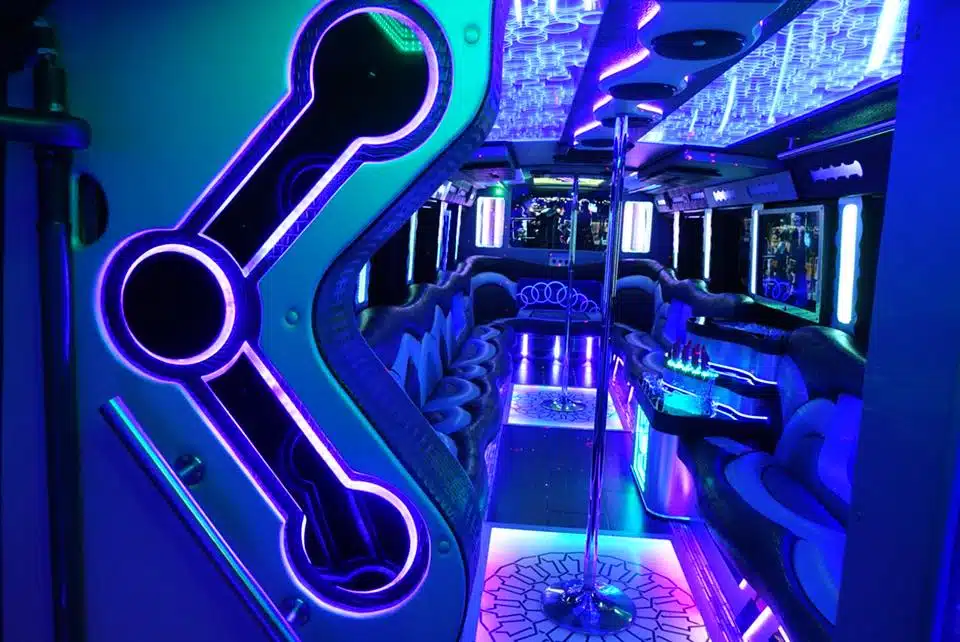
How a job gets matched to operators (without spamming everyone)
Here's where the routing actually has to be smart. In the old way of coordinating a network this size, a quote request gets blasted to dozens of operators across a wide region. Most of them ignore it because the pickup is outside their service area. The customer waits. The operators get fatigued by irrelevant leads and stop responding to anything.
UC's matching now uses a service-radius filter built on real geocoding. Each operator declares the area they serve — a city center plus a radius, say "Boise plus 60 miles." When a request comes in for a Boise pickup, only operators whose declared radius actually covers Boise see the lead. Operators in Spokane don't get pinged for a job they'd have to drive 280 miles to reach.
The result is a higher match rate, faster first quotes, and operators who actually open the email because every lead they see is one they can realistically fulfill.
Visibility for smaller and secondary-market operators
One quiet but significant cleanup this year: about a thousand operators who'd previously been invisible in the marketplace — missing geocodes, no declared radius, or stale data — are now properly mapped. That matters most in secondary markets. If you're requesting a pickup in Asheville, Boise, Bozeman, Burlington, or any of the hundreds of cities outside the top 20 metros, you're now much more likely to get a quote from a local operator who's 15 miles away rather than a regional fleet sending a vehicle from 200 miles out.
Local operators win because they get more relevant leads. Customers win because local pickups mean lower deadhead costs, drivers who know the area, and faster response times.
What happens when your itinerary changes (and it usually does)
Group trip planning is messy. The pickup time slides 30 minutes because the venue isn't ready until 6. Someone wants to add a stop at a hotel for late arrivals. The wedding date moves a week because a vendor cancelled. In any of these cases, the original quote — built around the original itinerary — is now technically wrong.
The old workflow: dispatch manually emails every operator who already quoted, asking them to re-price. With 8-15 operators on a typical lead, that's a half-day of chasing. Sometimes it doesn't happen at all, and the customer ends up with quotes that don't match the actual trip.
The new workflow: when an itinerary changes, every vendor who already submitted a quote on that lead automatically gets a re-quote request. They can either submit updated numbers or click "keep my quote" if their pricing still works. Zero manual chasing. The customer sees consistent, current quotes from the same operators they were already considering.
Multi-day pricing without the surprise on day 2
Multi-day rentals are where customers historically get confused — and sometimes blindsided. A three-day trip with a charter bus could mean very different things: continuous driving across three states, or "drive us out Friday, hold the bus at the resort Saturday, drive us back Sunday."
UC now uses a single, transparent formula that both the customer-facing quote and the operator's quote form share:
- Day 1: 12 hours of travel time
- Subsequent travel days: 12 hours each
- Block days (vehicle holds at destination, no continuous driving): 8 hours each
The operator side: why they actually respond fast
A nationwide service is only as fast as the partners answering the phone. UC's partner experience got a real overhaul this year, and it changes how quickly customers hear back.
Mobile-first quote submission
The average dispatcher at a small charter company isn't sitting at a desk. They're in a truck, on a yard, between trips. Asking them to log into a portal on a laptop to submit a quote means quotes come in slowly — or not at all.
UC operators now get secure single-use links via text or email. Tap the link, see the trip details, submit a quote, sign an agreement, update driver info — all from a phone, no portal login. The whole interaction can happen in under 60 seconds while the dispatcher's standing in a parking lot. Faster operator turnaround means faster customer confirmation.
A reminder system that doesn't annoy people
The old confirmation reminder system pinged operators for four days straight, which made vendors tune them out. The new cadence is cleaner: one nudge at 24 hours, one escalation at 48 hours that also loops in the customer-facing team. Less noise for the operator, faster catch when something genuinely needs human attention.
A capacity calendar so vendors stop double-booking
Operators now have a calendar-style view of every pending quote, every agreement out, and every confirmed job side-by-side per day. Before quoting a Saturday wedding shuttle, they can see they already have an agreement out for two of their three buses on the same day. They quote against real availability instead of guessing.
Customers benefit indirectly but significantly: fewer last-minute "we double-booked, we have to cancel" calls 48 hours before the trip.
What this all adds up to for a customer booking a trip
If you're booking a 56-passenger charter for a Friday corporate offsite in Charlotte, here's what you're actually getting on the back end:
- Your request is routed only to operators whose service area includes Charlotte, so you're getting quotes from vendors who can actually fulfill the job efficiently
- Local operators are visible alongside larger regional fleets, which usually means more competitive pricing
- Your quote moves through a tracked pipeline — somebody is watching every stage
- If you tweak the pickup time or add a stop, every vendor who quoted gets automatically re-prompted, so the quotes stay accurate
- Operators are responding from their phones in minutes, not from a desk hours later
- Multi-day pricing is consistent between what you see and what the operator quotes
Across 4,000+ cities and 50 states, this is the difference between "we'll get back to you in a few days" and "here are three quotes by end of day." It's also part of why the network now has 1,200+ reviews averaging 4.7 stars — when the dispatch logic works, the trip works.
For operators evaluating UC as a partner
If you run a charter, party bus, limo, or sprinter operation, the partner pitch is straightforward: trip requests that fit your actual service area, automatic re-quoting when customers change plans, mobile quote submission so your dispatchers aren't tied to a desk, and a calendar view that protects you from double-booking. You handle the trip on the ground. UC handles the customer relationship and the dispatch logic that turns inquiries into signed jobs.
The network grew this year because the experience for vendors got cleaner — fewer irrelevant leads, less manual chasing, faster turnaround. That's the kind of growth that compounds: better operator experience means faster quotes, which means happier customers, which means more bookings to route.
Get a quote and see the system work
Group trips don't have to be a four-day email saga. Tell us where you're picking up, where you're going, how many passengers, and when — and the routing engine will surface the right operators in your area within minutes. Get an instant quote from Unlimited Charters at unlimitedcharters.com and see what nationwide ground transport looks like when the dispatch logic is actually doing its job.
Plan your trip
Instant pricing on party buses, charter coaches, limos and shuttles — nationwide.
Get a Free Quote →